All articles
Background pieces, guides and explainers from all four sections.


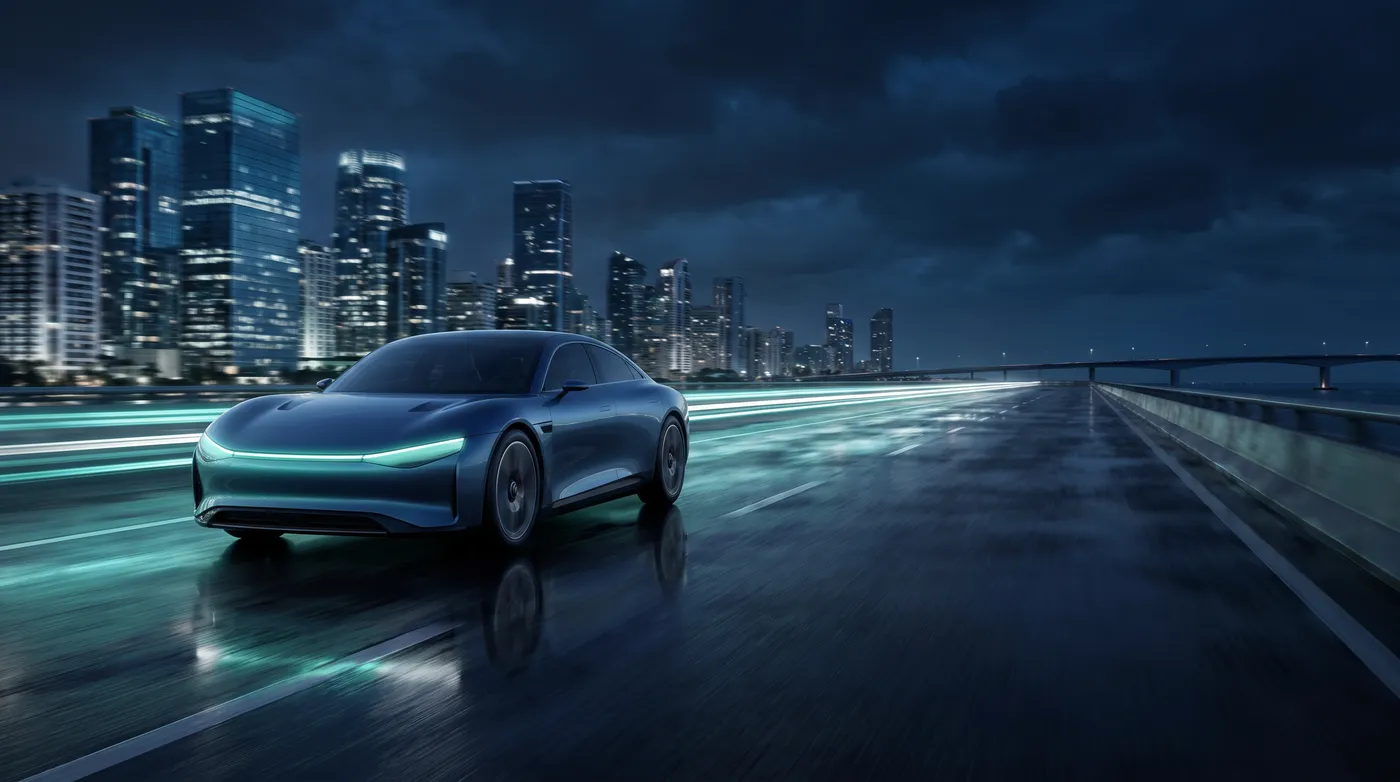
LFP or NMC: which battery chemistry suits which driving profile
Lithium iron phosphate is affordable and robust, nickel manganese cobalt stores more energy per kilo. What really matters in everyday use.
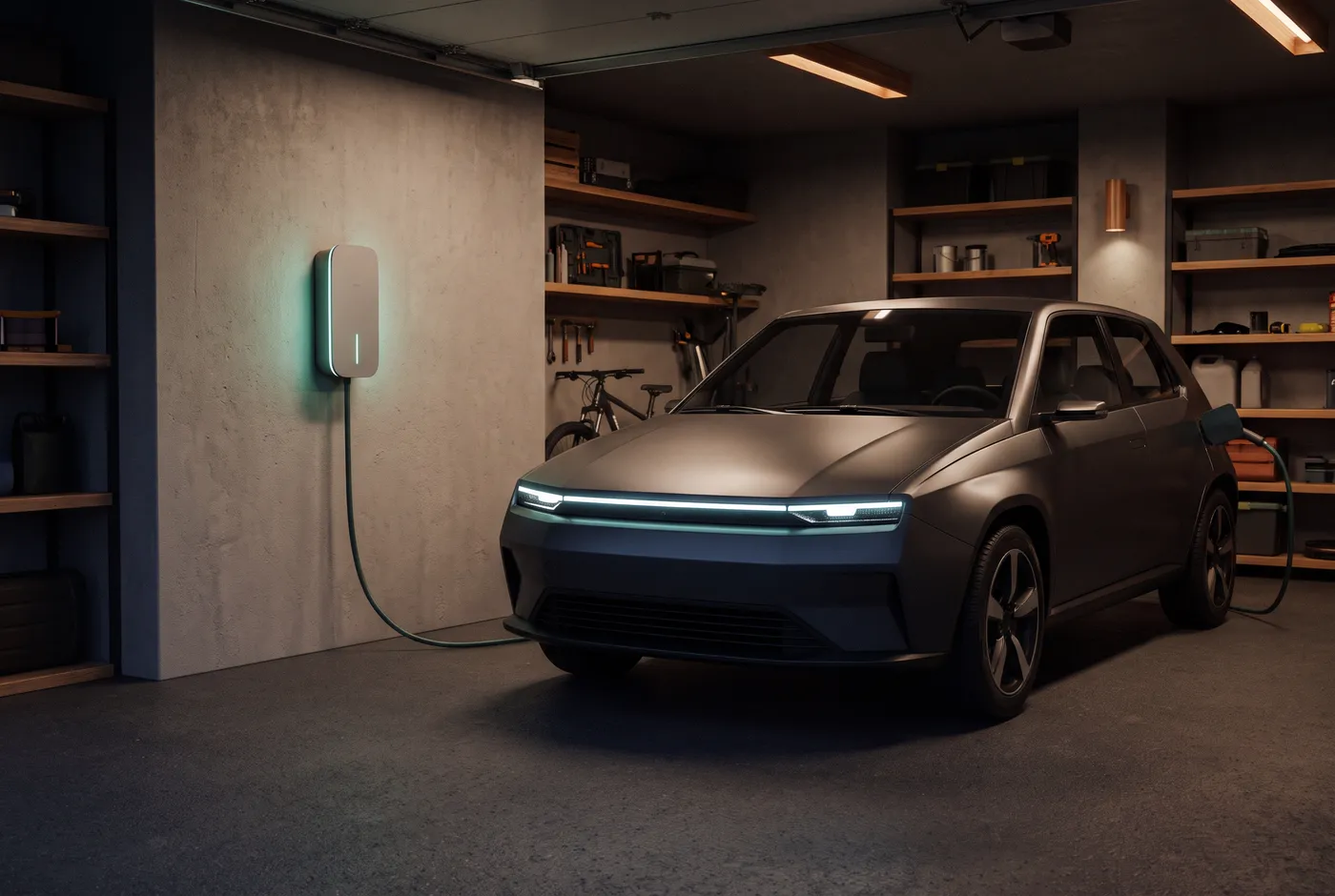
A wallbox at home: what matters before installation
Notifying the grid operator, 11 or 22 kW, § 14a EnWG and rights in owners’ associations: the key points in Germany before you charge for the first time.
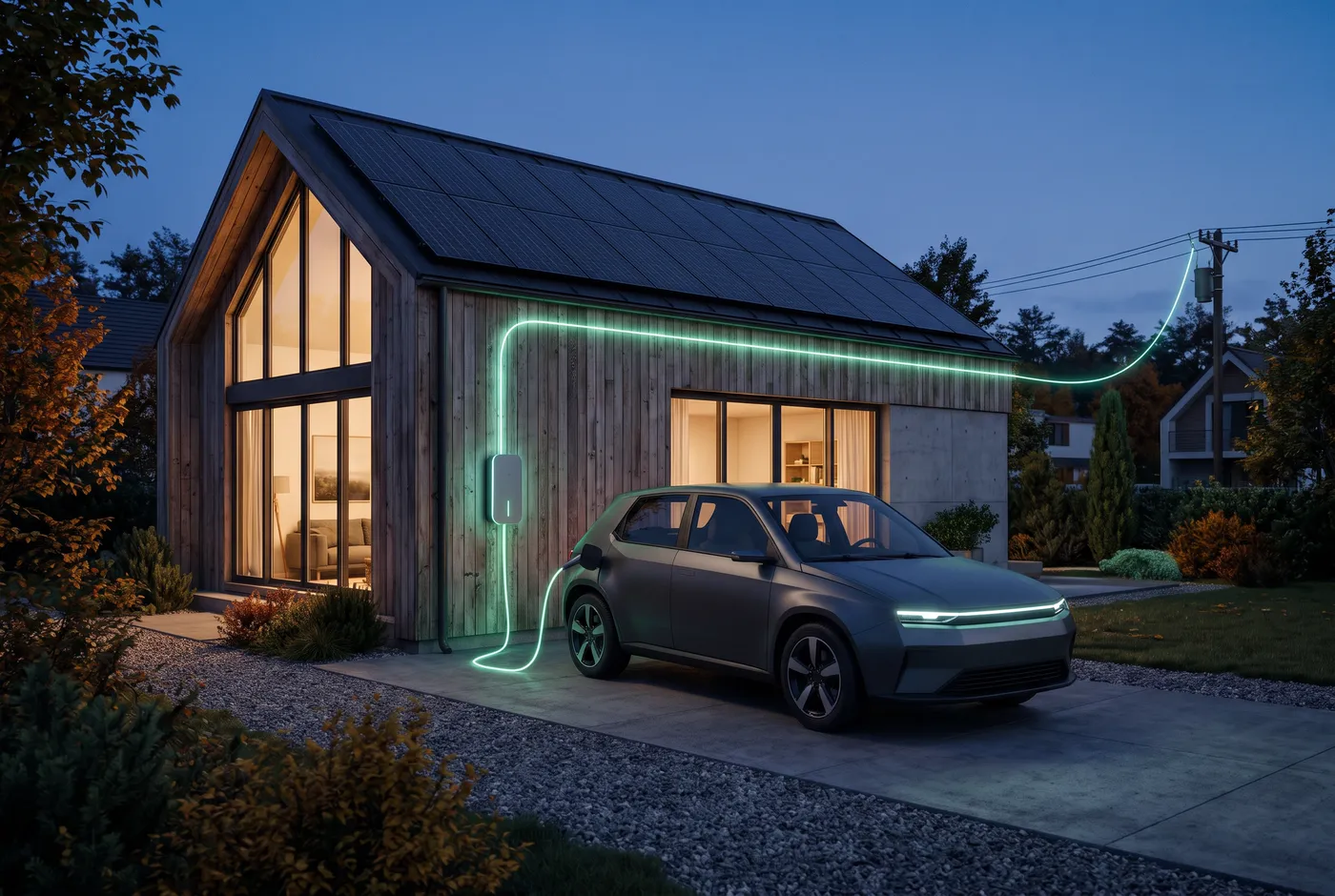
Bidirectional charging: V2L, V2H and V2G explained
The electric car as a power source for devices, your home or the grid. What lies behind the abbreviations and what the car, wallbox and grid need to be able to do.
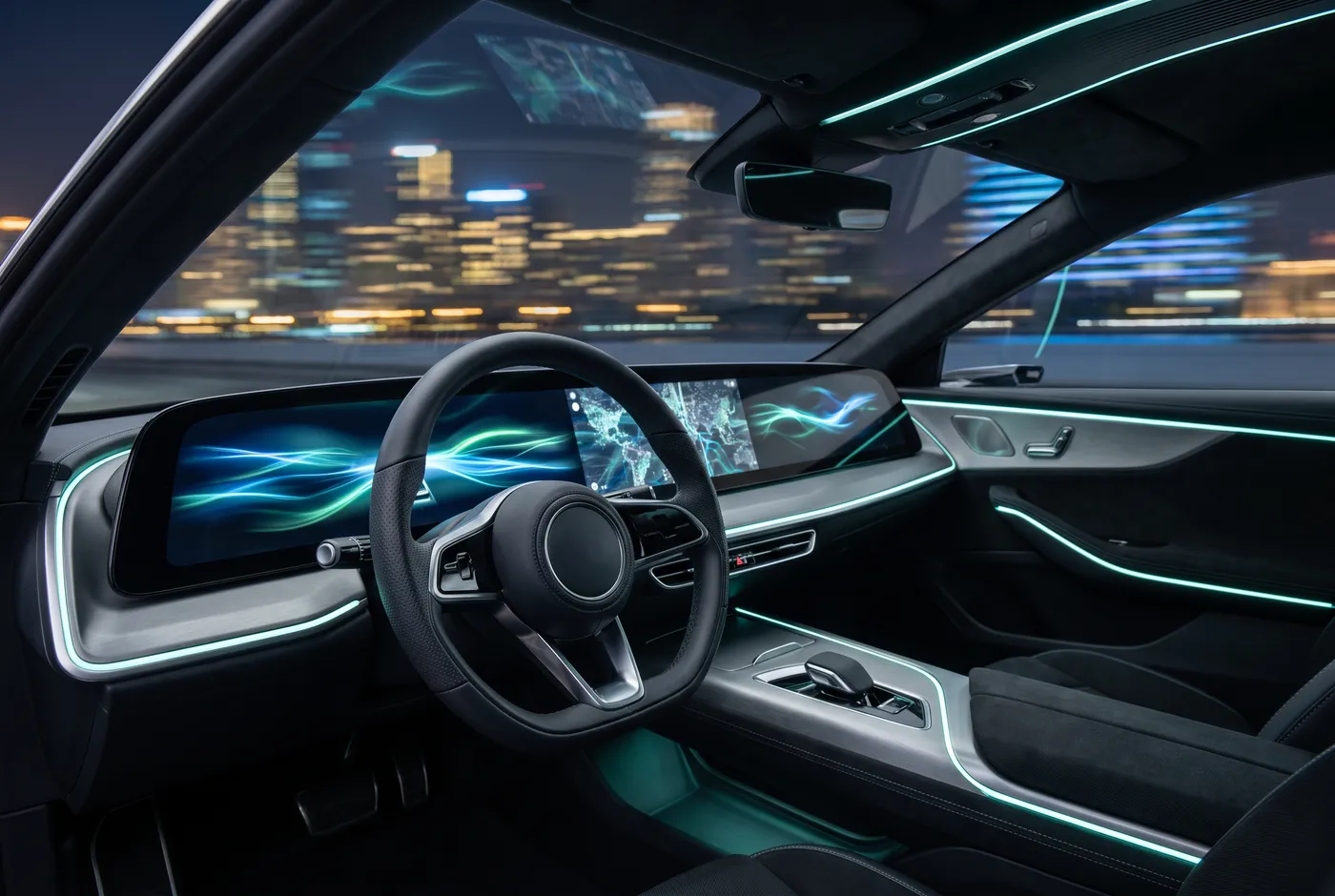
Software-defined vehicle: when the car becomes a computer
Central computers instead of many control units, updates over the mobile network, features after purchase. What is changing and how security is regulated.

Why batteries are getting cheaper and what that means for car prices
A battery pack today costs a fraction of what it cost in 2010. The reasons behind this, and why cars are still not getting cheaper at the same pace.
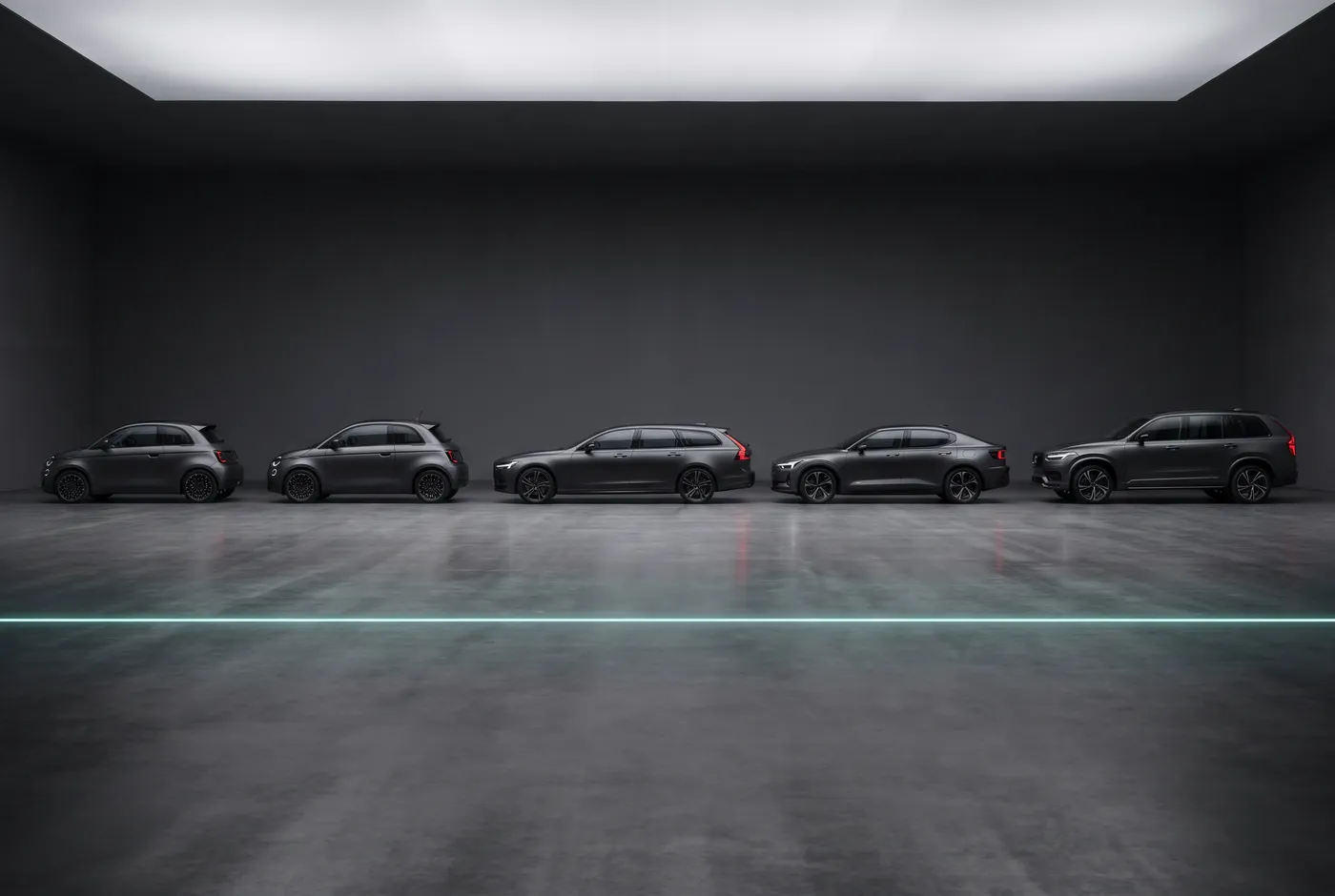
SUV, crossover, estate & co.: vehicle classes explained
Compact or mid-size, SUV or off-roader, estate or saloon: how Germany’s Federal Motor Transport Authority classifies cars and what the terms mean in everyday use.
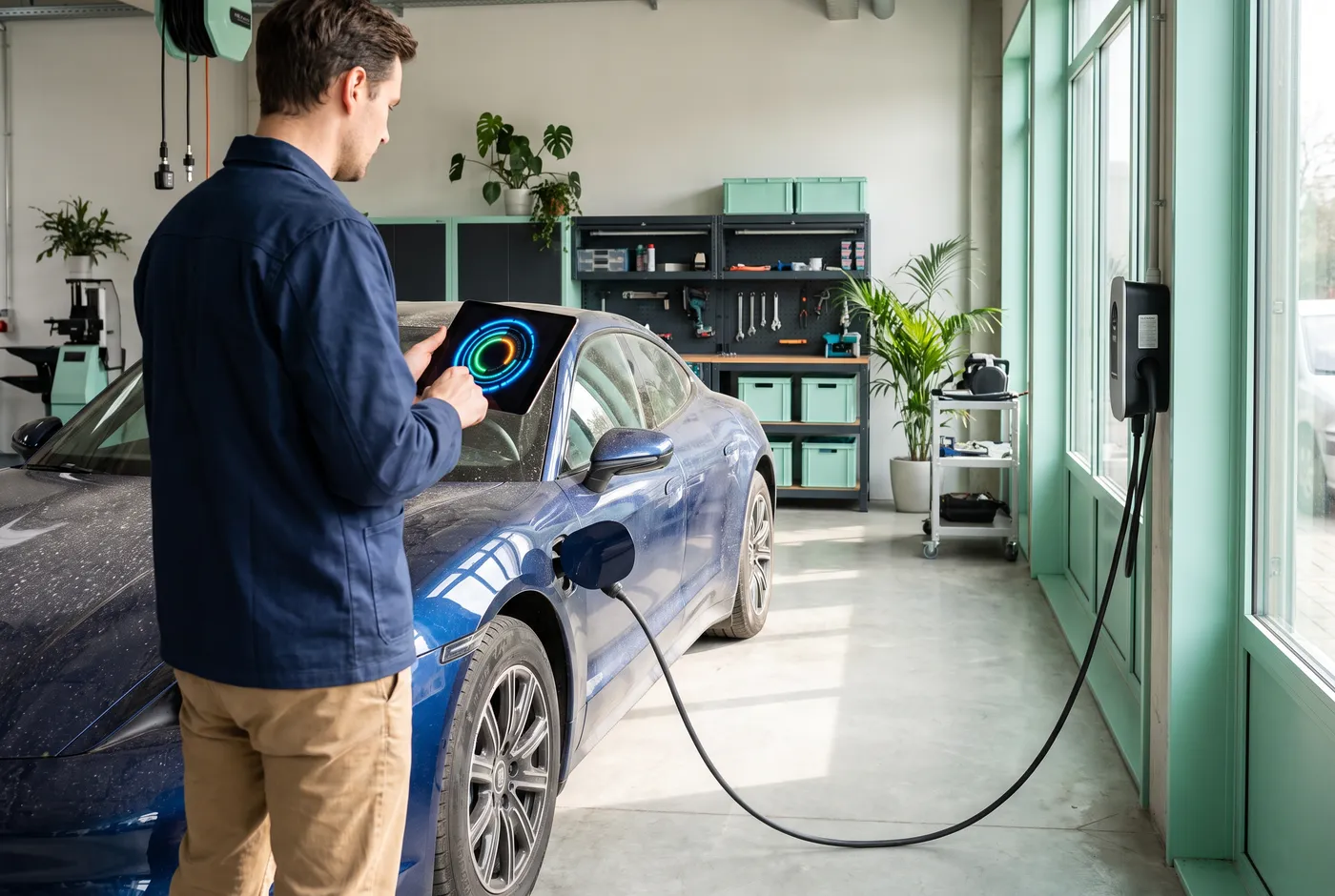
Buying a used electric car: checklist for battery, charging and technology
With a used electric car, the battery determines value and everyday usability. What to look for in battery health, warranty, charging power and the test drive.
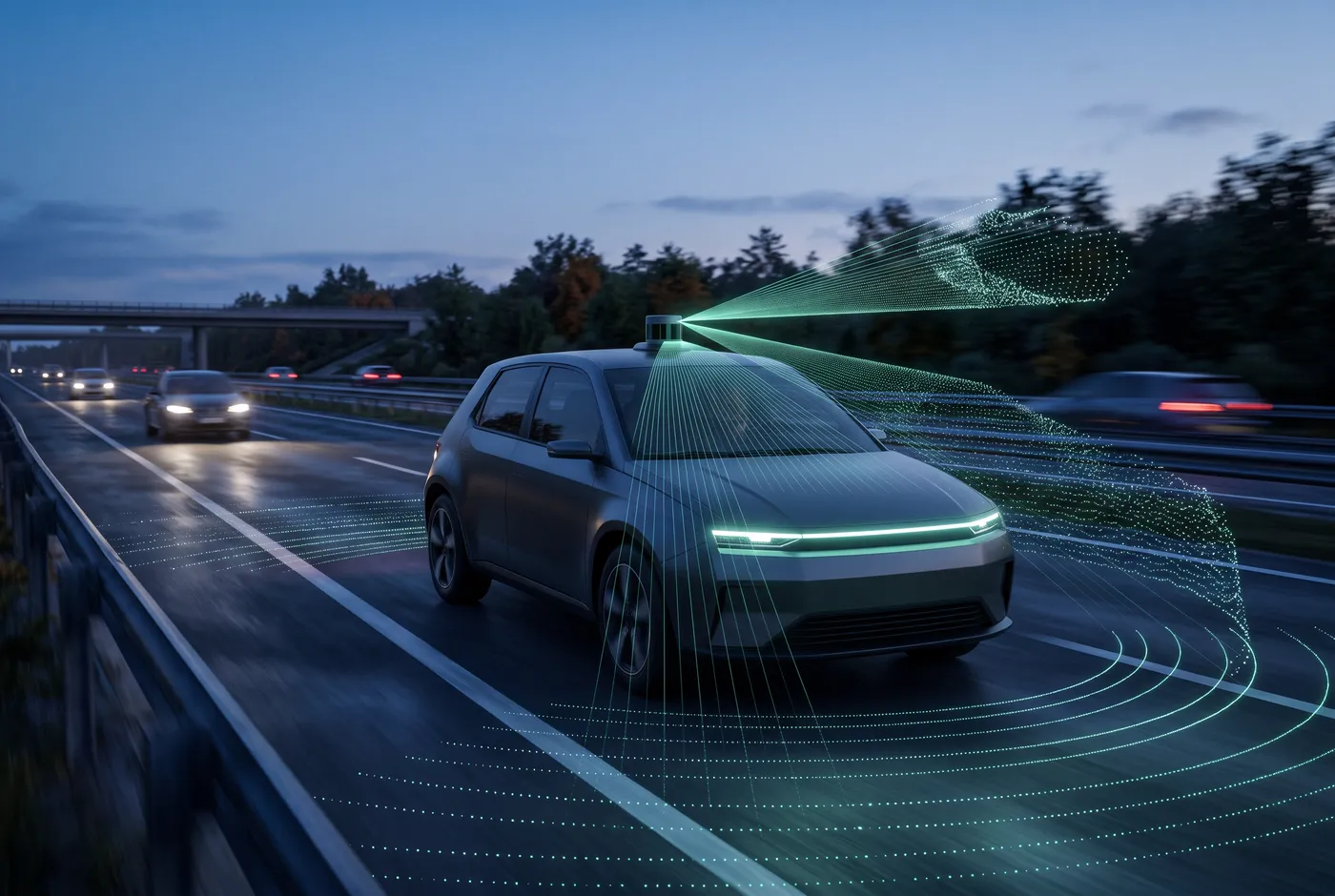
Autonomous driving: SAE J3016 levels 0 to 5 explained
From lane keeping assistance to the driverless shuttle: what the levels of automation mean and who is responsible for the journey at each stage.

Multimodal travel: combining public transport, bike, sharing and car wisely
Not every mode of transport suits every journey. How rail, bus, bike, car sharing, e-scooters and your own car work together, and how to plan successfully.